Tokyo is a city that is full of vibrant energy, rich culture, and fascinating history. From the bustling streets of Shibuya to the serene temples in Asakusa, there is always something new and exciting to discover in this dynamic metropolis. One interesting way to explore and understand Tokyo is through the concept of inductive reasoning.
Category : | Sub Category : Posted on 2025-11-03 22:25:23
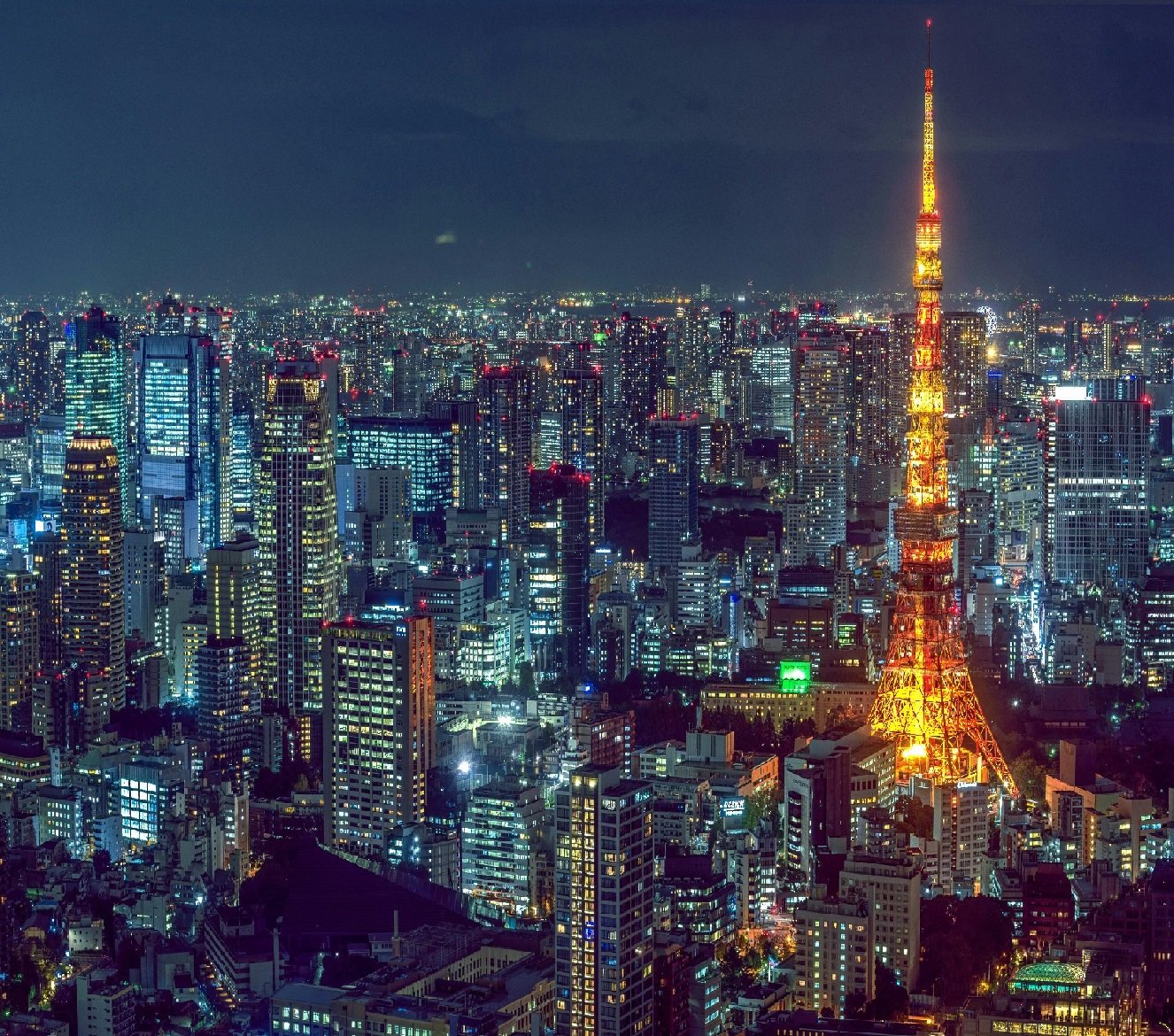
Inductive reasoning is a method of logical thinking that involves making generalizations based on specific observations or patterns. When applied to Tokyo, this approach can help us uncover the underlying principles and characteristics that make the city what it is. By observing the unique blend of tradition and modernity, the efficient public transportation system, and the diverse culinary scene, we can start to formulate a deeper understanding of Tokyo's identity. One example of inductive reasoning in Tokyo could be examining the city's impressive urban planning. From the orderly layout of streets and neighborhoods to the meticulous attention to detail in architectural design, it is apparent that there is a strong emphasis on efficiency and functionality in Tokyo's infrastructure. By observing these specific aspects, we can make broader generalizations about the city's dedication to innovation and progress. Another way to apply inductive reasoning in Tokyo is by exploring its cultural practices and traditions. From the elaborate tea ceremonies to the intricate art of sushi-making, there is a deep-rooted respect for heritage and craftsmanship in Tokyo. By immersing ourselves in these specific cultural experiences, we can start to infer larger concepts about the importance of tradition and precision in Japanese society. Overall, using inductive reasoning to study Tokyo allows us to delve beyond surface-level observations and uncover the underlying principles that shape the city's character. By examining specific details and patterns, we can gain a deeper appreciation for Tokyo's complexity and richness. Next time you find yourself in this dynamic city, try applying inductive reasoning to your explorations – you may just uncover a whole new perspective on Tokyo's wonders. Seeking more information? The following has you covered. https://www.culturelle.org Looking for expert opinions? Find them in https://www.regionales.net
Leave a Comment:
SEARCH
Recent News
- Zurich, Switzerland and Tokyo, Japan are both global hubs for business and innovation, home to some of the top companies in the world. Let's take a closer look at the top companies based in these two cities.
- Zurich, Switzerland and Tokyo, Japan are two prominent cities known for their innovation and vibrant startup scenes. While they are located thousands of miles apart, both cities have managed to establish themselves as hubs for entrepreneurs and tech enthusiasts looking to bring their ideas to life. In this blog post, we will explore the startup ecosystems of Zurich and Tokyo, comparing and contrasting their unique features and what makes them attractive destinations for aspiring entrepreneurs.
- Zurich and Tokyo are two major global financial hubs, each offering unique opportunities for investment strategies. In this blog post, we will explore some key considerations for investors looking to navigate the investment landscape in these two cities.
- Zurich, Switzerland and Tokyo, Japan are two dynamic cities with thriving business scenes. Both cities are prominent global financial centers and are known for their innovation, economic stability, and high quality of life. In this blog post, we will explore the unique business environments in Zurich and Tokyo and compare the two cities in terms of business opportunities, infrastructure, and work culture.
- Zurich, Switzerland and Japan are two countries known for their strong presence in the supply chain and logistics industry. Both nations have well-established infrastructure, cutting-edge technology, and strategic location advantages that make them key players in the global supply chain network. In this blog post, we will explore the supply chain and logistics industry in Zurich, Switzerland and Japan, highlighting some key points that set them apart.
- Zurich, Switzerland is a vibrant and diverse city known for its strong economy, high quality of life, and innovation. For Japanese companies looking to enter the Swiss market, Zurich is an attractive destination due to its strategic location in Europe, well-developed infrastructure, and business-friendly environment. In this blog post, we will explore some effective market entry strategies for Japanese companies looking to establish a presence in Zurich, Switzerland.
- Are you interested in exploring Japanese franchise opportunities in Zurich, Switzerland? As an aspiring entrepreneur looking to venture into the world of franchising, Zurich offers a lucrative market for those interested in Japanese franchises. Japanese franchises are known for their high-quality products, efficient business models, and strong brand reputation, making them a desirable investment opportunity.
- "The Intersection of YouTube Content Creation and Translation in Tokyo Startups"
READ MORE
8 months ago Category :

Zurich, Switzerland and Tokyo, Japan are both global hubs for business and innovation, home to some of the top companies in the world. Let's take a closer look at the top companies based in these two cities.
Read More →8 months ago Category :

Zurich, Switzerland and Tokyo, Japan are two prominent cities known for their innovation and vibrant startup scenes. While they are located thousands of miles apart, both cities have managed to establish themselves as hubs for entrepreneurs and tech enthusiasts looking to bring their ideas to life. In this blog post, we will explore the startup ecosystems of Zurich and Tokyo, comparing and contrasting their unique features and what makes them attractive destinations for aspiring entrepreneurs.
Read More →8 months ago Category :

Zurich and Tokyo are two major global financial hubs, each offering unique opportunities for investment strategies. In this blog post, we will explore some key considerations for investors looking to navigate the investment landscape in these two cities.
Read More →8 months ago Category :
